If you want a summer holiday on Île de Ré that feels effortless, the biggest wins come from three choices you can make early: where you sleep, which beaches fit your kind of day, and how slow you allow the week to be. Get those right, and everything else (cycling, markets, sunset strolls) falls into place without over-planning.
Direct answer: Plan your Île de Ré summer by choosing a base (village + villa style) that matches your routine, then pair it with beaches that suit your “family / sports / calm” days, and keep your itinerary light—one main plan per day, with market mornings and cycling as the natural glue.
The island is compact enough to keep travel time down, but summer demand can make accommodation feel scarce and expensive. This guide focuses on practical decisions: what to prioritise in a villa or seasonal rental, how to pick beaches by mood (not by hype), and how to shape a week that still leaves room for spontaneous island moments.
Your quick planning checklist for a week on Île de Ré
- Pick your base first: do you want “walk-to-everything” village life or more space and quiet?
- Choose a rental using a short list of non-negotiables (beds, outdoor space, bike storage, parking).
- Match beaches to days: supervised and easy-access for families, exposed coast for watersports, quieter spots for slower afternoons.
- Build your rhythm around mornings (markets, cycling) and keep afternoons flexible for beach and rest.
- In high season, reduce uncertainty by enquiring and booking early once your essentials are clear.
Why Île de Ré Is the Perfect Summer Destination?
Île de Ré works particularly well for an “escape without leaving France” because it feels like a collection of small worlds: whitewashed villages, low stone walls, vineyards and salt marsh landscapes. You can fill a week with simple pleasures—cycling between villages, browsing markets, and choosing a beach that matches the wind and tide—without needing a packed schedule.
It’s also an island where a car-light routine can make your holiday smoother. Instead of driving to “do” things, you can treat the day as a loop: market in the morning, beach in the afternoon, village stroll in the evening. That’s the kind of rhythm many people are looking for in summer—especially if they want to feel away from it all while staying in France.
One reality to factor in: high season is popular. Demand for seasonal rentals can be strong, and some weeks will feel busy in the most visited areas. A grounded way to handle that is to decide early what matters most to you (space, pool, walkability, beach proximity) and then book as soon as your core criteria are satisfied—rather than waiting for the “perfect” listing.
For a broader picture of tourism monitoring in the area (including accommodation supply and visitor trends), Charentes Tourisme explains how it tracks the territory in its annual reporting: chiffres clés du tourisme en Charente-Maritime.
Choosing Your Villa or Seasonal Rental
The right place to stay is the anchor of your week. On Île de Ré, the most useful way to choose isn’t “which village is best?”, but which daily routine you want: quiet mornings in a garden, walking everywhere from a village street, quick beach access, or a balance of all three.
Villa or village house: what fits your summer routine?
A villa often suits travellers who want space (indoors and outdoors), a calm base, and an easy “home day” when the island feels busy. A village house can work better if you value walkable evenings, popping out for a bakery run, or being close to a harbour atmosphere—sometimes with less outdoor space and tighter parking.
| Decision factor | Villa-style rental | Village house-style rental |
|---|---|---|
| Space & comfort | Often better for groups and “stay-in” days | Can feel cosier; space varies widely by property |
| Outdoor living | More likely to have a garden/terrace; sometimes a pool (always verify) | May have a small courtyard or terrace; not guaranteed |
| Day-to-day convenience | Best if you prioritise privacy and calmer surroundings | Best if you want to walk to shops, harbour areas, and evening spots |
| Logistics | Check bike storage, parking, and easy access for arrivals | Check parking constraints and how close you are to essentials |
Where to stay on Île de Ré: a simple location logic
Use a “triangle” approach: beach access, village life, cycling routes. You rarely get all three at maximum, so decide what you want to be effortless. If your priority is beach mornings with minimal planning, favour a base where you can reach your go-to shoreline quickly. If your priority is evenings with atmosphere, prioritise being able to walk into a village centre without relying on parking.
If you’re still hesitating between several styles of accommodation for this kind of trip, you can also browse ideas beyond classic rentals (to clarify what you really want from a stay) via this internal guide to unique stays.
Should I book a villa before the high season?
If you already know your travel week and your non-negotiables (number of guests, beds, outdoor space, parking, bike storage), booking earlier is often the safest way to reduce stress in summer. Waiting can work if you are flexible, but it also increases the chance that you’ll compromise on key criteria (location, layout, or comfort) simply because choices narrow.
High-season reality check: availability and property features (pool, parking, air flow in bedrooms, outdoor dining space) vary a lot—treat every listing as “to be verified” before you commit.
Cas pratique
A hypothetical family of five prioritises a garden, bike storage and an easy beach routine. They accept being a short cycle from village evenings, because their “must-haves” are space and a stress-free home base. A hypothetical couple, travelling lighter, chooses a village house to walk out for bread and dinner, accepting that outdoor space might be smaller and that parking could require planning.
To understand why planning ahead can matter in summer, it helps to know that demand for seasonal rentals has been reported as rising in recent seasons. For example, local press reported a seasonal rental increase based on figures communicated by Charentes Tourisme and Destination Île de Ré (noting that island-wide attendance can vary by indicator).
The Best Beaches for Every Kind of Day
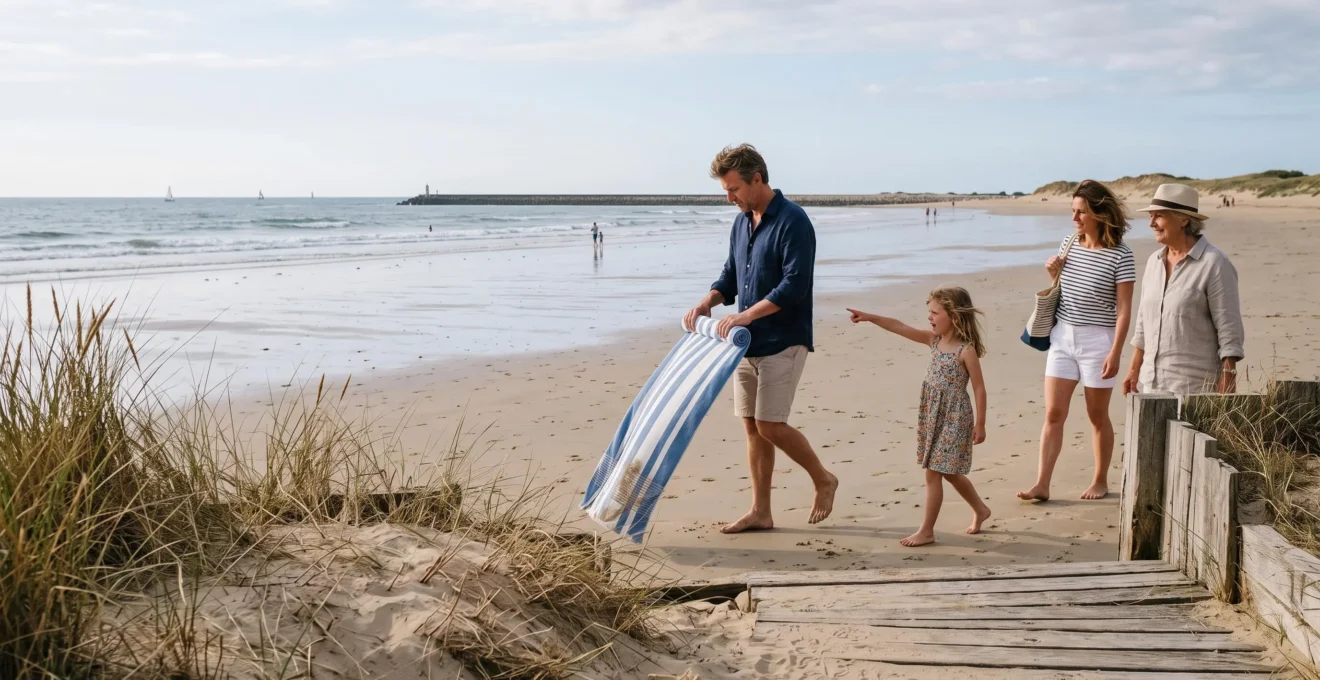
The “best beach” on Île de Ré depends on what you need that day: easy access and reassurance with children, enough wind and space for watersports, or a quieter setting to read and swim. A smart plan is to pick two or three beaches that match your holiday style—then rotate them with the tide and the weather.
Which beach suits a family day out?
For a family day, prioritise supervision in peak summer and practical access (paths, nearby services, space to settle). The official tourist office notes that some beaches have lifeguards in July and August, and that beach choices vary by use (family swimming, watersports, shore fishing, or tranquillity). Use its beach overview to cross-check what’s available when you travel: plages de l’Île de Ré selon les usages.
On the day, keep it simple: arrive earlier for easier parking, choose a spot with a straightforward route back (especially with tired children), and keep an eye on tide times so your “play zone” doesn’t disappear faster than expected.
Where should I go for surfing or watersports?
If your perfect afternoon involves a board or a sail, look for beaches known for being used for watersports rather than the most sheltered, family-oriented stretches. Your decision criteria are practical: space to rig up, typical wind exposure, and whether you’re happy with a more energetic sea state on certain days.
A helpful habit is to treat your watersports session as the single main plan of the day: a late morning ride, a long session, then a simple dinner back near your base—rather than trying to combine it with multiple village stops.
How do I find a quieter beach mood without chasing “secret spots”?
Quieter doesn’t have to mean “hidden”. You can often get the calm you want by shifting timing (early morning or late afternoon), choosing a beach access point that requires a short walk, or picking a day when the wind naturally spreads people out. If your goal is to read, nap, or take an unhurried swim, aim for comfort: shade options, easy re-entry points, and a manageable walk back.
Practical beach check: before you leave your rental, decide how you’ll handle parking, shade, and the tide window—those three details make the difference between a “long, easy day” and a day that feels like logistics.
Two easy day templates can help you choose without overthinking:
- Family morning: supervised beach (in peak season), early arrival, long low-tide walk, lunch back at the rental for a quiet reset.
- Sports late afternoon: slow morning (market + rest), then a focused watersports session when the wind is right, followed by a simple harbour-side evening.
Living at Island Pace: Cycling, Markets and Local Life
“Island life” on Île de Ré is less about ticking off attractions and more about repeating the small rituals that make the week feel different from home: cycling as transport, shopping at the market in the morning, and building meals around what you found—then letting the afternoon decide itself.
How do you use cycling to shape the week (not exhaust it)?
Cycling works best when it replaces short car hops rather than becoming a sporty objective every day. Plan one or two longer rides as “exploration days”, and keep the rest as gentle links: beach to village, village to market, market to home. You’ll see more, and you’ll arrive less tired.
To make that realistic, choose accommodation where bikes are easy to store and access. If getting bikes out feels like a chore, you’ll do it less—no matter how beautiful the route looks on a map.
What does a market morning actually change in your holiday?
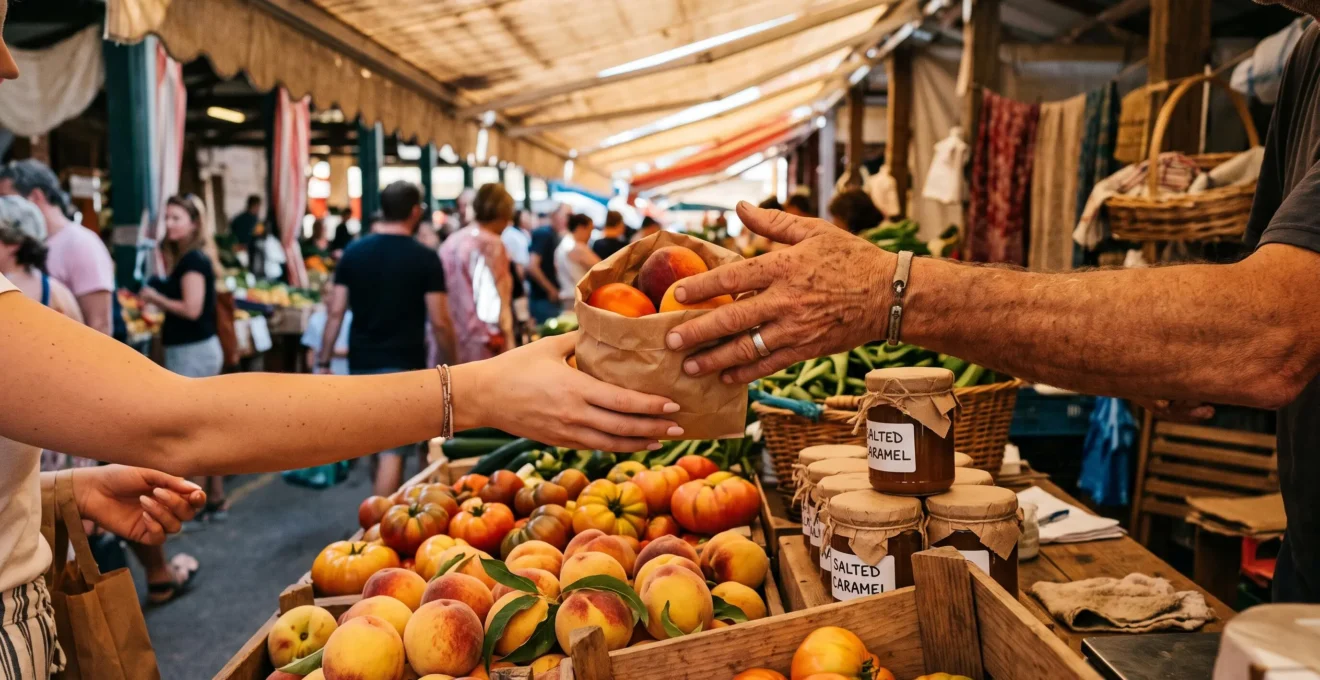
A market morning gives structure without pressure. It answers the daily question of “what do we do now?” with something simple and local: buy fruit for the day, pick one or two items for lunch, and decide dinner later. It also helps with budgets, because you’re not forced into a restaurant plan every evening.
How do you enjoy the island without overloading the itinerary?
Use a one-anchor rule: one main plan per day (a beach you love, a long cycle route, a market-and-lunch day), and let the rest stay light. This is especially useful in summer, when heat, crowds, or wind can make rigid schedules frustrating.
If you feel the urge to “see everything”, switch to a smaller goal: one village stroll at golden hour, one long beach walk at low tide, one easy evening meal close to your base. You’ll come home feeling like you were on an island, not on a mission.
How to Plan Your Week on Île de Ré?
A balanced week on the island alternates between beach days, exploration days, and rest days. The trick is not to plan more, but to group what you do so your days stay smooth: choose a base that matches your routine, then cluster outings by area so you’re not constantly travelling back and forth.
- Day 1: settle into your base
Arrive, locate your nearest bakery/shops, and do a short cycle loop to understand distances before you commit to big plans.
- Day 2: first beach day (easy win)
Choose the most practical beach for your group (access, comfort, supervision in peak summer). Keep the evening close to home.
- Day 3: exploration by bike
Pick one longer ride and one village stop. Plan a simple lunch so you’re not chasing reservations.
- Day 4: slow reset
Market morning, long lunch, and a short late-afternoon swim. This day prevents “holiday fatigue”.
- Day 5: second beach day (different mood)
Switch the beach style: calmer timing, more walking, or a watersports-focused session depending on the weather.
- Day 6: flexible “island life” day
Repeat what you enjoyed most—often the best day is the least ambitious one.
- Day 7: gentle finish
Keep the last day light (packing, one last market or short ride) so departure doesn’t feel rushed.
This is also the section where high-season concerns become actionable. If your accommodation choice is still open, decide your “must-haves” and enquire early; if it’s already booked, lock in only what truly has limited slots, and leave the rest as weather-based choices. That’s usually the best way to keep a summer holiday on Île de Ré calm—even when the island is lively.
Which villa should I choose on Île de Ré for a family holiday in high season?
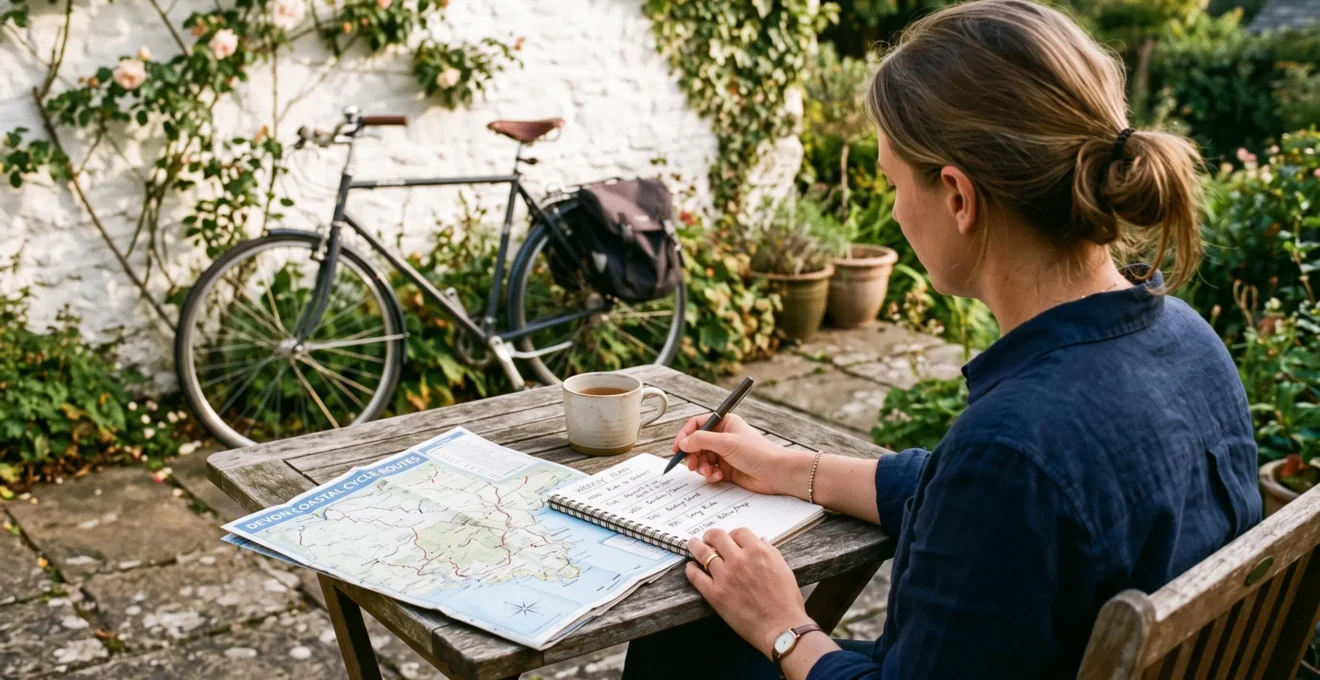
Choose based on non-negotiables that protect your daily routine: enough beds (not just “sleeps X”), outdoor shade, secure bike storage, and an easy route to a practical family beach. In high season, prioritise “works well every day” over “perfect once”. Always verify key features (pool, parking, bedroom ventilation) in the listing details before booking.
Which Île de Ré beaches are suitable for children or for a quieter day?
For children, look for beaches that are supervised in peak summer (some are in July and August, according to the official tourist office) and that have easy access. For quieter days, your best lever is often timing: early morning or late afternoon can feel calmer than mid-day, even on popular beaches.
How do I plan a week on Île de Ré without a car?
Choose accommodation where daily essentials are reachable by foot or bike, then plan by clusters: one area per day rather than crossing the island repeatedly. Keep one main plan per day (beach, long ride, market-and-lunch) and build in rest afternoons so cycling stays enjoyable rather than tiring.
If you approach the island with that “villa + beach + pace” mindset, you’ll make decisions that travel well: a base that supports your routine, beaches that match your real days (not an idealised plan), and a week that stays open enough for the moments you’ll actually remember.